
Best Time to Visit the Balkans
Choosing the Right Season for Your Journey
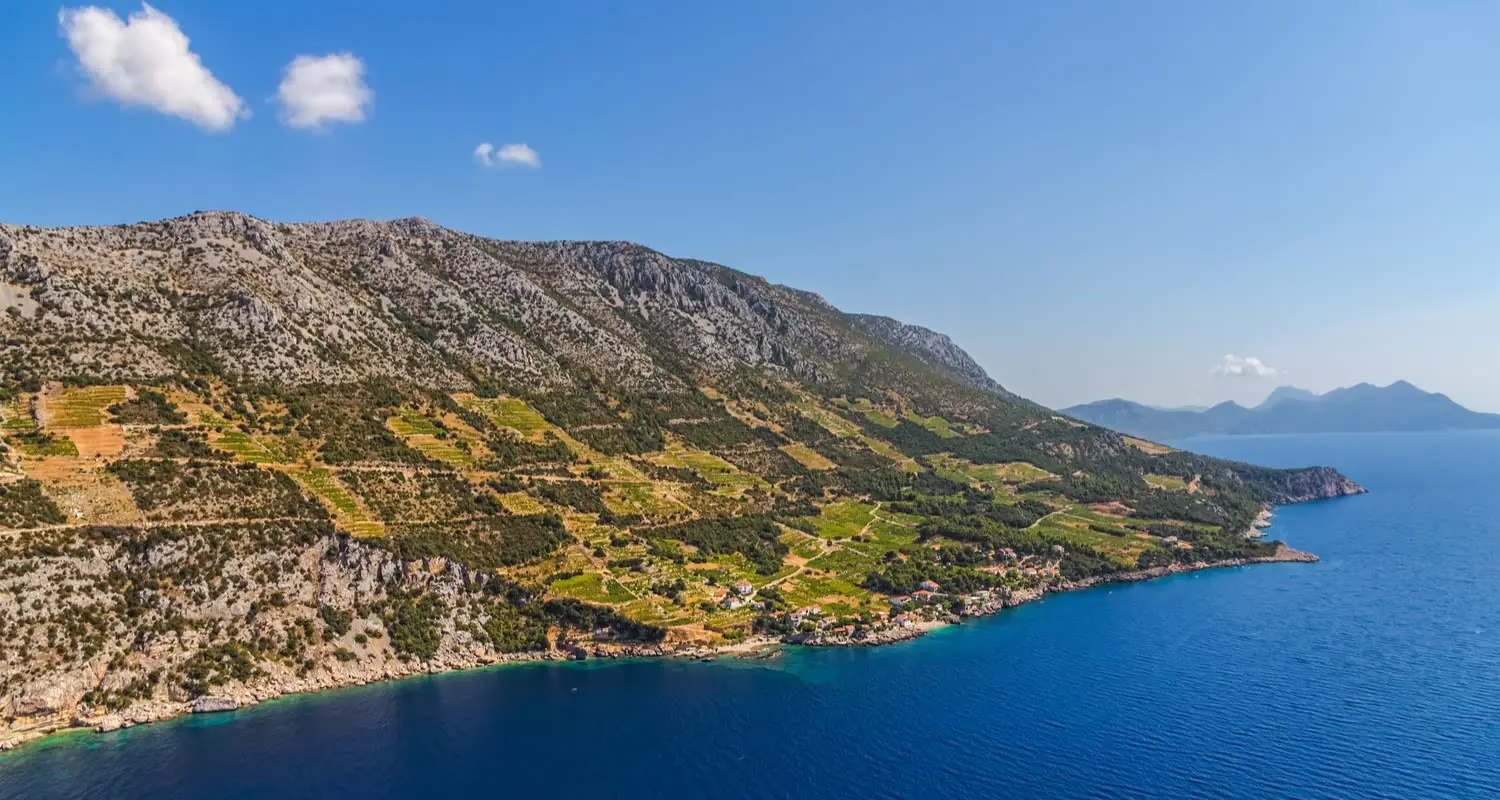
There is no single season for experiencing the Balkans, but for travelers planning a cultural or multi-country journey, some months work considerably better than others. Based on our experience operating tours throughout the region, April, May, June, September and October generally offer the best balance of comfortable temperatures, manageable visitor numbers and reliable travel conditions. These are the months we consider particularly well suited to touring, especially when an itinerary combines several countries and includes a mixture of cities, cultural sites, countryside and local experiences.
Spring brings longer days, pleasant temperatures and landscapes returning to life after winter. April and May are particularly attractive for cultural touring, while June combines summer conditions with generally more comfortable travel than during the peak holiday period. On the other side of summer, September and October are among our favorite months in the region. Temperatures become milder, the busiest summer crowds begin to disappear, and food, wine and harvest traditions add another dimension to many destinations. Weather naturally varies considerably between the Adriatic coast, continental areas and the mountains, but these five months generally provide the most balanced conditions for exploring the region.
Traveling During July and August
July and August are also popular months for traveling through the Balkans, particularly for guests who want to combine cultural touring with a summer holiday or an active escape into the mountains. The Alps, Carpathians and Transylvania, as well as the mountain regions of Montenegro and Bulgaria, offer excellent opportunities for hiking, nature and active travel during the summer months. For travelers who prefer the coast, a multi-country journey can finish with several relaxing days on the Adriatic coast or continue with a cruise among the Croatian islands. With the right combination, July and August can therefore work particularly well for travelers who want to balance cultural touring with nature, active experiences or time by the sea.
Peak summer does, however, require more careful planning. Temperatures can be high, particularly in inland cities and during sightseeing in the middle of the day, while coastal destinations are at their busiest. Roads and border crossings can experience heavier traffic, hotels and the best local suppliers have higher occupancy, and experienced guides, drivers and other tourism professionals are in strong demand. This increased pressure on local services can sometimes affect availability and consistency of quality across the region. None of this makes summer a poor time to visit—it simply means that a well-designed itinerary, advance reservations and reliable local coordination become even more important. At Balkan&more, our role is to anticipate these seasonal challenges and keep them behind the scenes, allowing our guests to concentrate on the journey itself.
Spring and Autumn: Our Preferred Touring Seasons
If the primary purpose of the journey is to truly explore the region, spring and autumn would normally be our first recommendation at Balkan&more. Comfortable temperatures make walking tours and archaeological or cultural visits more enjoyable, while driving between destinations is generally easier than during the height of summer. These seasons also work particularly well with our Experience More philosophy, as local communities, wineries, farms and smaller destinations can be integrated naturally into the itinerary.
Autumn has a particular appeal for travelers interested in food and wine experiences and regional agricultural traditions. Wine regions such as Goriška Brda in Slovenia, Šumadija and Fruška Gora in Serbia, or Dealu Mare in Romania take on a different character around harvest time. It is also the season of the olive harvest in parts of the Adriatic, with Istria and Montenegro offering opportunities to discover local olive-growing traditions and high-quality olive oils. Seasonal cuisine becomes an experience in itself, while spring is especially rewarding for travelers interested in nature, countryside and itineraries that combine outdoor experiences with cultural touring.
Winter Travel: Focus on the Cities
Traveling through the Balkans in winter requires a different approach. Rather than simply operating a summer itinerary in colder weather, we prefer to redesign the journey around destinations that function naturally throughout the year. Major cities and established cultural centers such as Belgrade, Zagreb, Ljubljana, Sarajevo, Bucharest and Sofia remain active throughout winter and can provide excellent short breaks and cultural journeys.
Smaller destinations require more consideration. Mountain roads and remote areas can occasionally become difficult to access because of snow, daylight hours are considerably shorter, and some hotels, restaurants and local suppliers operate seasonally or with reduced capacity. Certain experiences that work perfectly between spring and autumn therefore cannot simply be transferred to December or January without compromising the pace or quality of the journey. Our approach is to work with the season rather than against it: fewer destinations, carefully selected experiences and more time in places where local life continues throughout the year.
Christmas Markets and Winter City Journeys
The Christmas market season creates another interesting way to experience this part of Europe. Established Central European Christmas destinations such as Budapest and Prague can form part of a wider regional journey, including itineraries such as our Imperial Cities programs. They can also be combined with cities that may not traditionally rank among Europe's most famous Christmas market destinations but have developed increasingly attractive winter programs of their own.
Zagreb, Ljubljana, Belgrade and Sarajevo each offer a different winter atmosphere, combining seasonal events with gastronomy, culture and everyday city life. Rather than trying to compete with the great Christmas markets of Central Europe, these cities add something different to the journey: another cultural perspective and an opportunity to discover destinations outside their traditional high season.
So, When Should You Visit?
For a classic Balkan tour, particularly one covering several countries, Balkan&more recommends April, May, June, September and October as the most rewarding months for touring. They provide the strongest overall combination of comfortable weather, touring conditions and access to the local experiences that make the region special.
July and August remain excellent options when touring is combined with the Adriatic, mountain escapes, active experiences or a longer summer holiday, provided that the itinerary takes peak-season conditions into account. Winter, meanwhile, is better approached selectively, with a stronger focus on major cities, cultural experiences and seasonal programs rather than trying to cover the region in the same way as during spring or autumn.
After more than twenty years of operating journeys throughout Southeast Europe, we have learned that choosing the right season is not simply about finding the best weather. It is about matching the travel experience to the time of year. A thoughtfully designed journey should work with the natural rhythm of the destination—and that is ultimately far more important than the temperature on any particular day.
Keep reading
 Practical information
What is the Balkans?
More Than a Destination. A Region Best Experienced.
Read more Country guides
UNESCO Sites in the Balkans
More Than a List of Monuments
Read more Stories
Balkan Roots
Nestled in southeastern Europe, the Balkans is a region where history, culture, and nature intertwine to…
Read more